

“This is preeminently the time to speak the truth, the whole truth, frankly and boldly.”
—Franklin D. Roosevelt, March 4, 1933
When asked about my objective for updating the website, I half-jokingly replied that it is my legacy. In a sense it is. Or at least the professional legacy that I want to leave for others to experience and learn from.
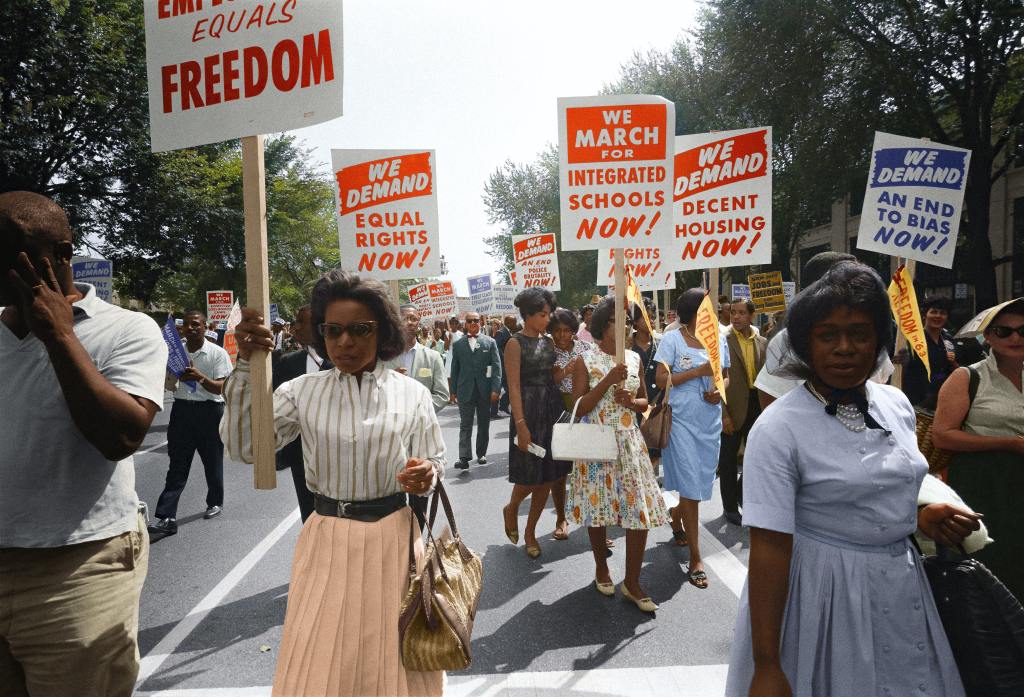
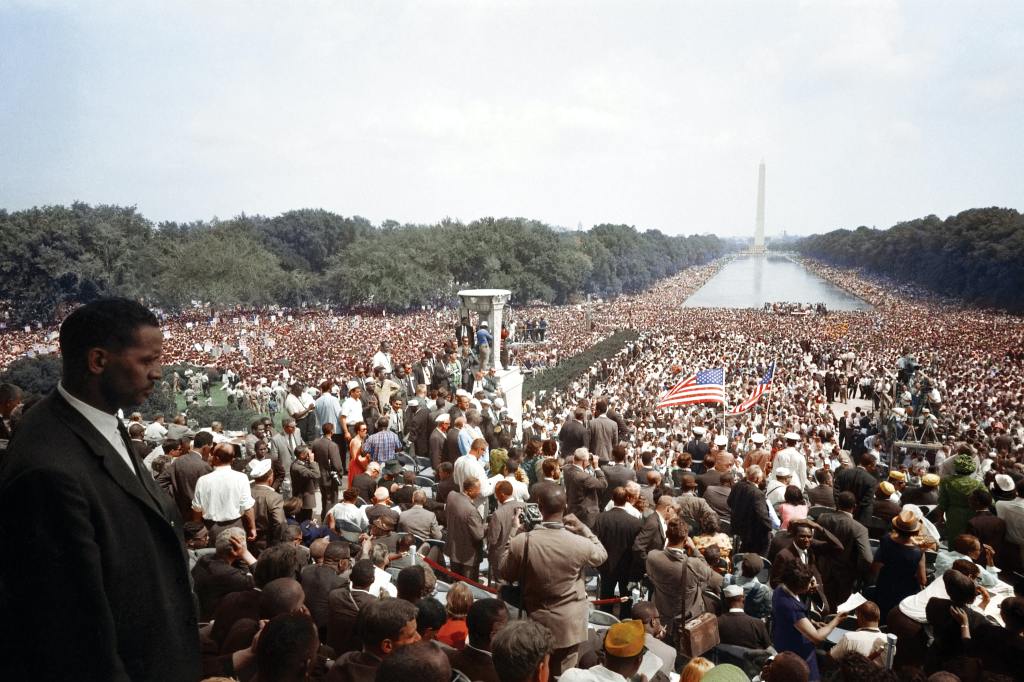
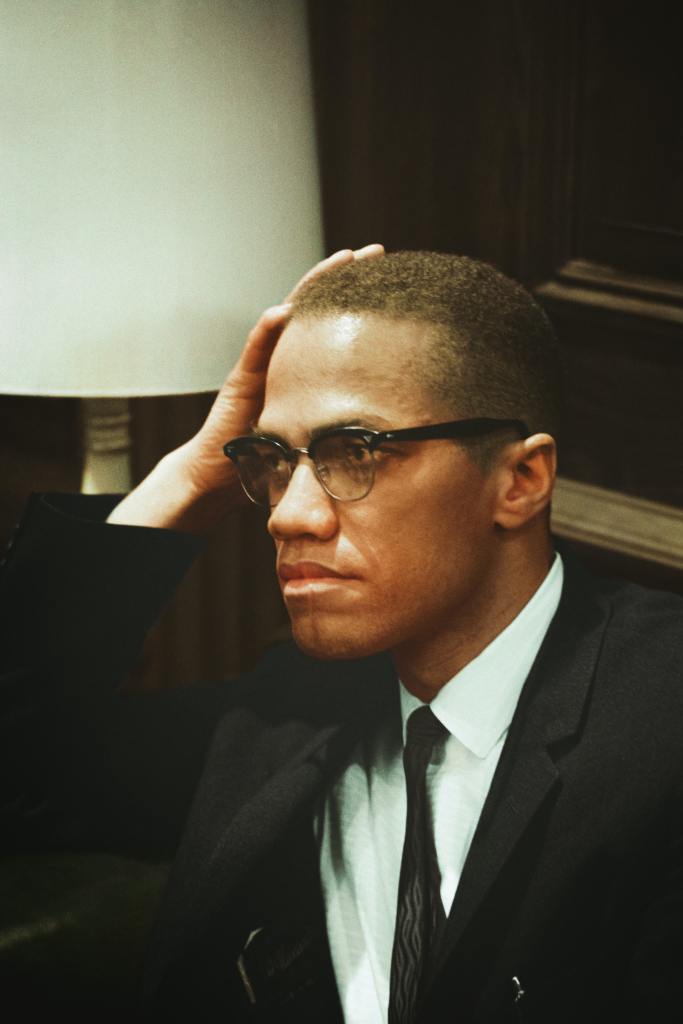
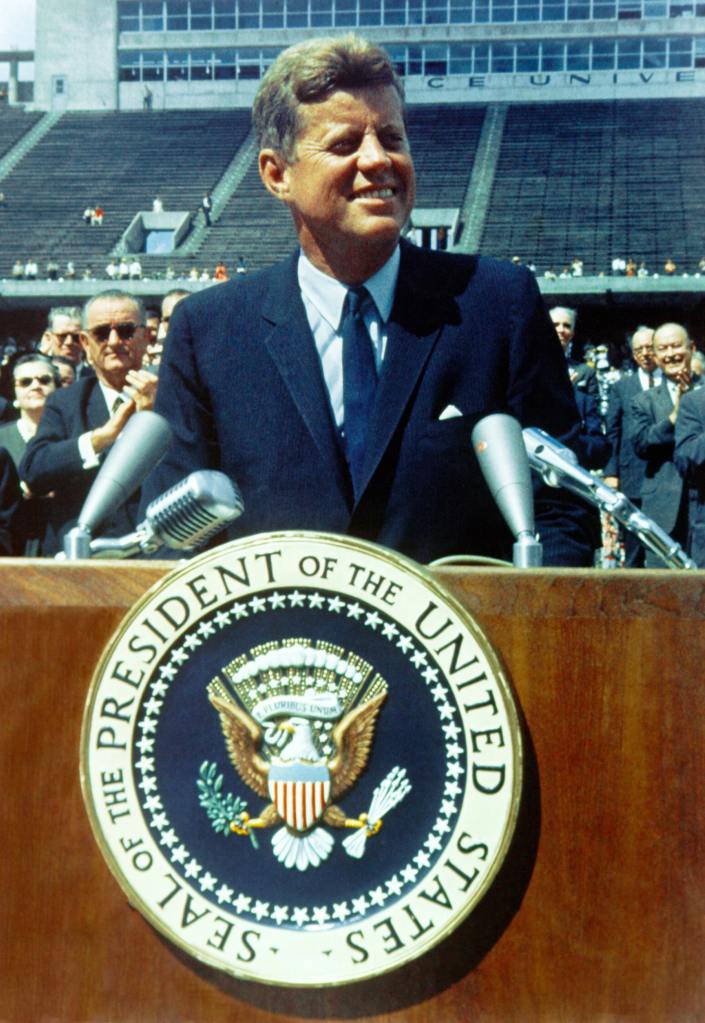
This site is split into two main sections, Public Speaking and the course, The 60s through the Great Speeches of the 60s.
For both sections, I am indebted to my students—whether in their 20s or their 80s—for all that they contributed to my learning and to this content. Enjoy what is here, whether you’re a high school teacher seeking to augment your curriculum, an adult learner seeking to revisit an important decade in your life, or you have to make a speech.
Public Speaking contains what I know, love, and taught about public speaking and speechwriting at the University of Pennsylvania from 2002 until 2018. This section includes lecture notes along with hopefully helpful tips for anyone who has to make a speech or wants to improve their speaking.
The 60s through the Great Speeches of the 60s is an 8-class course that I am currently teaching to adults through the Osher Lifelong Learning Institute at the University of Southern Maine and other senior programs. Since many of the hard-won social justice victories of the sixties are now being rolled back by a Conservative court, there’s increased urgency to revisit this decade and all that was accomplished or set in motion.
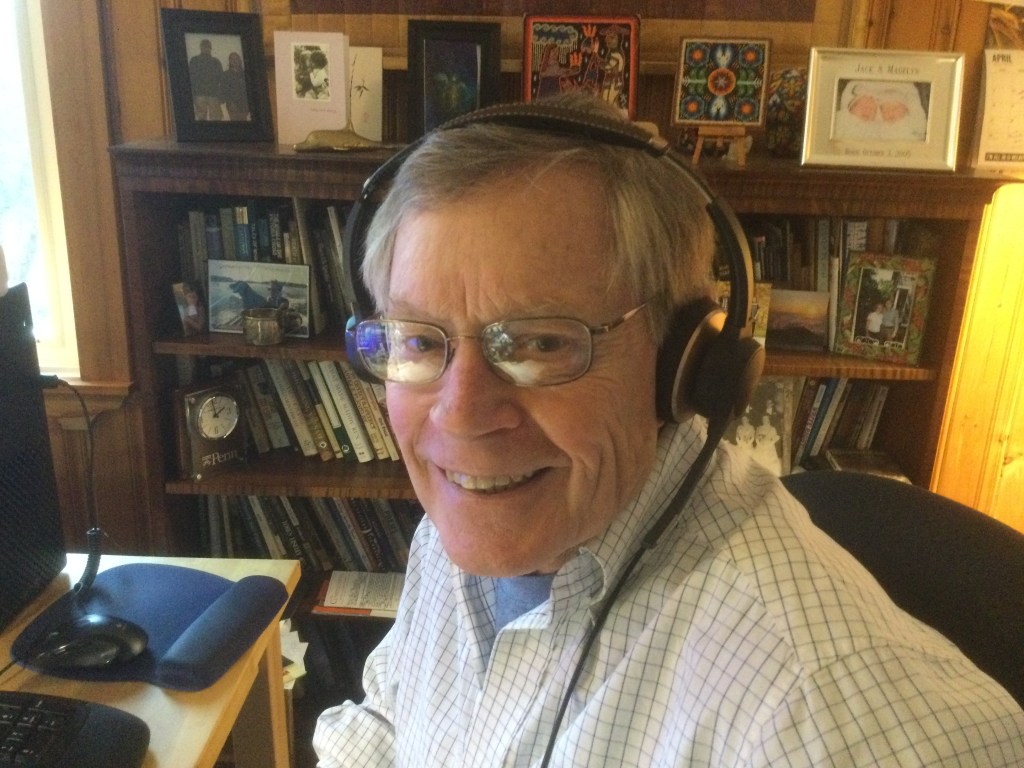
About Buck
Arthur C. “Buck” Benedict began writing speeches for corporate executives about 40 years ago and started teaching public speaking in the late 1990s—first at Temple and Arcadia Universities and ultimately at Wharton and the Fels Institute of Government at the University of Pennsylvania.
Buck retired from Penn in 2018, but couldn’t shake the love of teaching and the beauty of the well-spoken word, particularly the speeches that were given by the leaders in the 1960s. That decade was the high point of modern rhetoric. The times demanded leaders who could use their voices to inspire their followers. When the pandemic hit in 2020, he had the time to create his great speeches course. It was a dream he’d had for about three decades.
In addition to teaching, he’s on advisory boards and occasionally consults.
 Buck Benedict